
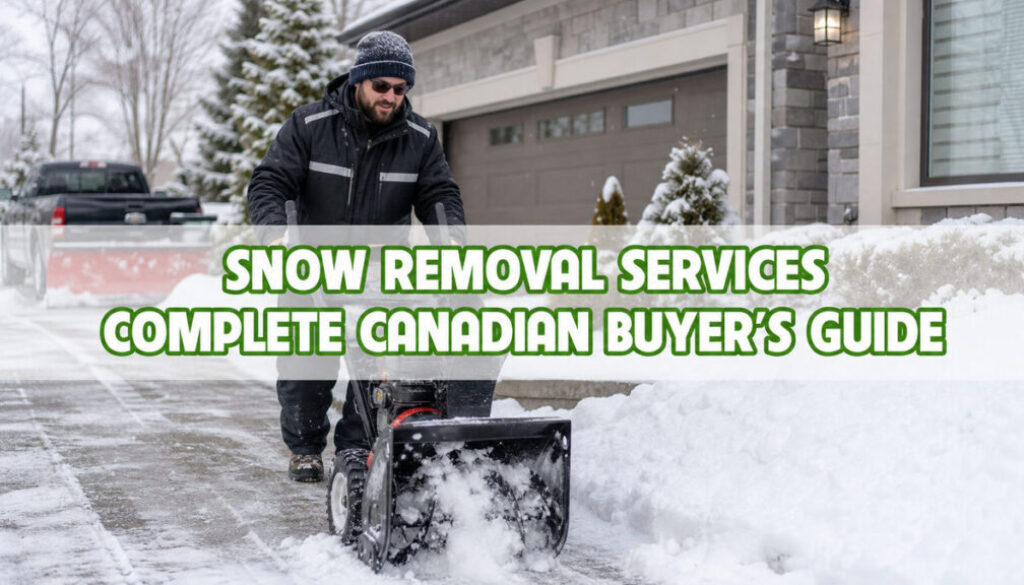
When heavy snow drops overnight, access can become a problem before the day even starts. Snow Removal Services can be the difference between a usable driveway, sidewalk, entrance, or parking area and a morning spent digging out. A good provider is not just a plow showing up when it can. It is a winter plan: clear surfaces, sensible timing, proper snow placement, ice control, and a company that stands behind the work.
Canadian property owners have a lot to weigh: safety, access, municipal rules, storm conditions, and cost. Contracts vary more than many people expect. PB Cleaning 24/7 describes snow removal as winter clearing for driveways, walkways, entrances, and basic access areas. Before booking any winter snow clearing service for safe access, make sure you know exactly what is included.
What Professional Snow Removal Services Include
Core snow-clearing operations
Professional snow removal starts with the areas people and vehicles need most. For a home, that usually means driveway snow removal, sidewalk snow removal, steps, porches, and entrances. For a business, it may also include parking lots, ramps, loading areas, fire routes, and busy pedestrian zones. PB Cleaning 24/7 snow service includes driveways, walkways, entrances, and basic access areas during winter.
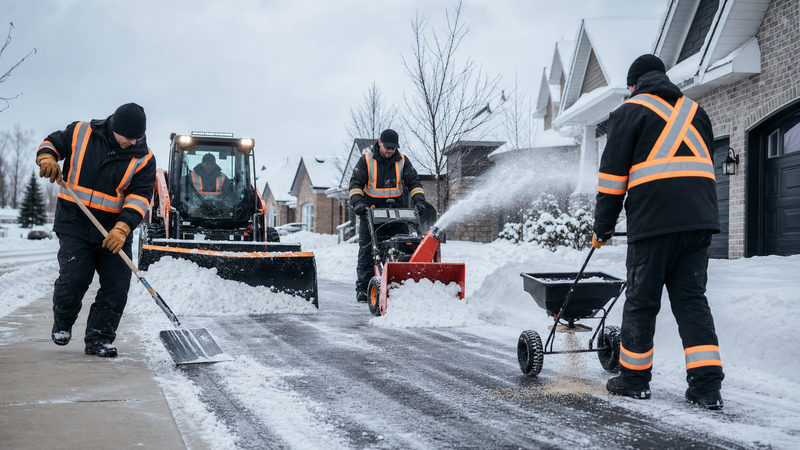
Snow plowing services use a truck, blade, skid steer, or compact machine to push snow into a safe storage area. Snow shovelling services handle the tighter spots where equipment cannot fit. Snow blowing works well for residential paths, narrow driveways, and properties with limited space for snow piles. Snow hauling goes further by taking built-up snow off the site when there is nowhere left to stack it.
Clearing and removal are not always the same thing. Snow clearing moves snow to another part of the property. Complete snow removal takes it away from the property altogether. Ask whether the quote covers clearing only, or whether hauling and off-site disposal are included in the price.
- Driveways and garage approaches
- Sidewalks, walkways, steps, and ramps
- Building entrances and emergency exits
- Parking lots and accessible parking spaces
- Loading zones, waste areas, and fire routes
- High-traffic areas used by tenants, customers, or staff
Ice management and surface treatment
Snow clearing restores access, but ice control helps reduce slip risk. Salting and de-icing break down ice that has bonded to pavement. Sanding adds traction when temperatures make salt less effective. Anti-icing can also help stop snow and ice from bonding before a storm arrives.
Providers do not all describe surface treatment the same way. Some contracts include salt, sand, or de-icer. Others bill each application separately. On commercial properties, clear material records can matter a lot, especially if a slip claim depends on maintenance documentation.
The product matters. Concrete, asphalt, gravel, pavers, and wooden steps do not all react to de-icers the same way. Temperature, drainage, pets, landscaping, and nearby waterways can also influence the right choice. For general winter safety guidance, Canadian property owners can review Health Canada information on road salt.
Scope limitations buyers should verify
Most problems start with vague agreements. One contractor may plow the driveway but skip the handwork around parked vehicles. Another may clear walkways but charge extra for municipal snowplow windrows. Check the exclusions before the first storm, not after the bill arrives.
Common exclusions include roof snow, buried vehicles, locked gates, blocked stairs, inaccessible areas, repeat visits, and hauling. Snowbank relocation may cost extra as well. Some crews also avoid work around fragile landscaping, unmarked curbs, loose gravel, or hidden equipment. That protects both the property and the crew.
Ask for a written site map. It should show priority areas, snow-storage zones, service boundaries, sensitive surfaces, and obstacles. In practice, this simple document prevents many winter disputes. It also helps backup crews understand the property during a major storm.
Residential and Commercial Snow Removal Compared
Residential snow removal
Residential snow removal is about everyday access and household safety. Driveway snow clearing keeps vehicles moving. Sidewalk snow clearing helps residents, visitors, delivery drivers, and neighbours. Steps, porches, paths, and garage approaches often need hand clearing too.
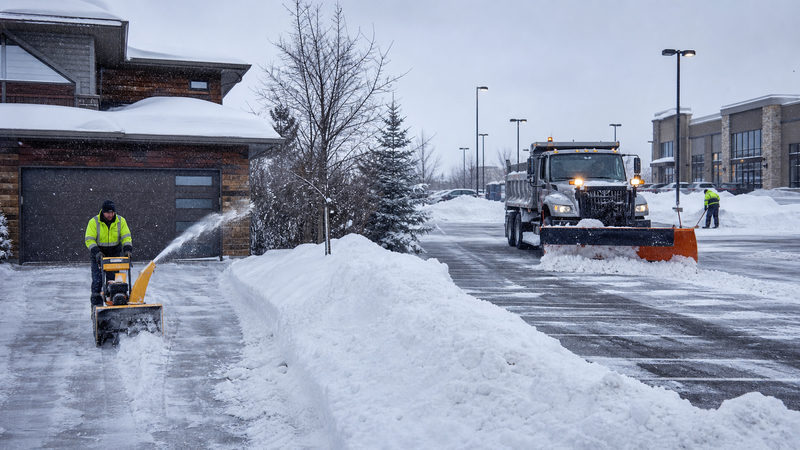
For many homeowners, a snow removal service for driveways and sidewalks is enough. Some households need wider coverage, especially families with children, older adults, tenants, or frequent visitors. A residential snow shoveling service after snowfall can help when storms hit before work or school. One time snow removal after heavy snow can also solve an urgent access issue after a major accumulation.
Landlords need extra clarity. They should document who handles snow shoveling, ice treatment, and access routes. Parked vehicles matter too. If tenants block equipment access, the contractor may only be able to clear the areas they can reach.
Commercial snow removal
Commercial snow removal carries bigger operational demands. Parking lot snow removal has to support staff, customers, deliveries, and emergency access. Accessible parking spaces, pedestrian routes, loading zones, waste areas, fire lanes, and entrances all need a plan. That is why commercial contracts often rank areas by priority.
Many commercial properties need zero-tolerance ice monitoring. In plain terms, crews inspect and treat surfaces before conditions become unsafe. Businesses may also need multiple visits during one storm, service logs, material records, and backup plans for snow hauling. Those records help managers show that reasonable winter maintenance was completed.
Timing matters. Retail sites may need entrances cleared before opening. Offices may need walkways ready before people arrive in the morning. Industrial facilities may need loading areas and yard routes open around shift changes. Multi-unit properties need safe movement for residents, visitors, and service providers.
Key operational differences
Commercial work is not simply residential work on a larger lot. It often involves measured material application, route sequencing, weather monitoring, and coordinated fleet dispatch. Liability can be higher because more people use the site. Documentation becomes part of the service, not something added later.
Residential jobs may use shovels, blowers, and light plows. Commercial sites may need loaders, skid steers, salt spreaders, plow trucks, and hauling trucks. Trigger depth and response targets are often different too. A home may only need service after a set accumulation, while a business may need usable access throughout a storm.
- Residential work focuses on personal access and household routines.
- Commercial work focuses on public safety, operations, and documentation.
- Residential service may use smaller crews and equipment.
- Commercial service often needs backup equipment and fleet planning.
- Commercial agreements usually define hazards, logs, and escalation steps.
From Quote to Post-Storm Follow-Up: The Service Process
Site assessment and snow plan
A reliable process begins before the snow falls. You may request a quote by phone, email, online form, or local message. PB Cleaning 24/7 asks clients to provide their name, phone number, address, directions, email, and service request. For snow removal, photos and clear property details help the provider understand the site.
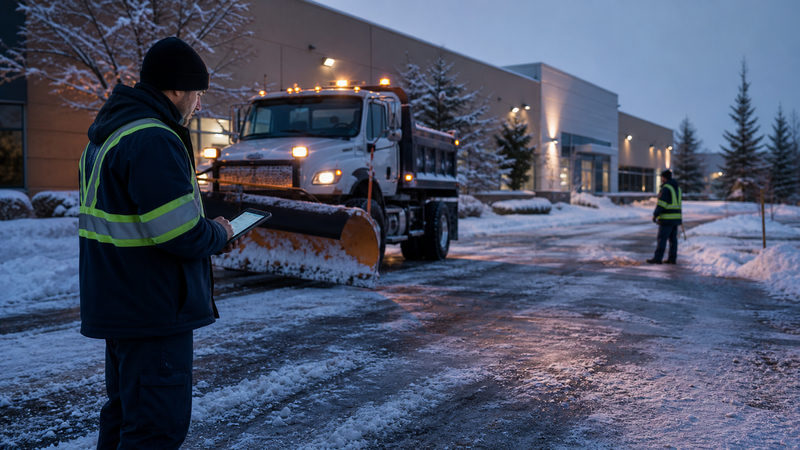
Share surface measurements, access needs, operating hours, parking patterns, and preferred service frequency. Photos should show driveways, walkways, steps, entrances, slopes, curbs, and snow-storage areas. Point out gravel surfaces, narrow lanes, retaining walls, drains, utilities, and fragile landscaping as well. Those details can save time when the first storm hits.
A careful provider checks slopes, pavement defects, drainage, and equipment access. They also look at whether vehicles often block work zones. Just as important, they decide where snow can be stacked without blocking sightlines, exits, hydrants, or neighbour access. This matches PB Cleaning 24/7’s focus on confirming scope before higher-risk or custom work.
The snow plan should cover plowing patterns, priority routes, equipment needs, trigger depths, approved materials, and escalation steps. It should also identify any areas that need handwork. Once the snow starts, everyone knows what should happen. A written plan protects both the buyer and the crew.
Weather monitoring and dispatch
Snow removal depends heavily on timing. Providers watch forecasts, radar, temperature, wind, and accumulation. Before a storm, crews may prepare equipment, load materials, confirm route lists, and apply anti-icing where it makes sense. Dispatchers then sequence properties by priority, location, contract terms, and storm intensity.
Most agreements use a snowfall trigger. Service may begin, for example, after a set accumulation on the property. The contract should explain how that measurement is taken. A driveway measurement, municipal reading, or contractor route observation can all lead to different results.
Response time depends on several factors. Storm timing, accumulation rate, contract priority, route position, traffic, equipment availability, and severe weather all play a role. PB Cleaning 24/7 notes that exact arrival times cannot always be guaranteed because road conditions, weather, access, and job scope can affect schedules. Winter work is shaped by those same realities.
Still, unclear timing helps no one. Buyers should ask for a target response window and a simple communication process. They should also ask whether the provider calls before arrival. PB Cleaning 24/7’s booking policy mentions a 30-40 minute arrival call for scheduled services, which shows why advance communication matters.
Storm completion and documentation
One storm may require more than one visit. Drifting, municipal plow windrows, freeze-thaw cycles, and long snowfall can all create new hazards. Contracts should explain return visits and final cleanup. Final cleanup often happens after snowfall ends and roads are safer.
During blizzards, crews may focus first on keeping access passable. Detailed edge-to-edge winter cleanup can wait until conditions settle. That keeps priority routes usable while the storm is active. Buyers should expect practical access first, with detailed finishing done when conditions allow.
Documentation matters, especially for landlords and commercial owners. Timestamped service logs, photos, material records, client notifications, and damage reports all support accountability. Post-storm quality checks also help confirm that entrances, steps, ramps, and high-traffic areas remain usable. If something looks wrong, report it quickly with photos and location details.
Snow Removal Cost and Contract Options in Canada
Common pricing structures
Snow removal cost depends on the type of agreement you choose. Per-visit pricing works well for occasional needs, emergency work, and one time snow removal after heavy snow. Monthly plans make winter billing easier to predict. Seasonal snow removal contracts provide recurring coverage across the full snow season.
Each model has trade-offs. Per-visit pricing gives you flexibility, but the final winter cost rises or falls with the number of storms. Seasonal contracts help with budgeting, but buyers still need to check snowfall caps and exclusions. Some providers also use hybrid agreements with a base fee plus extra charges for heavy accumulations.
Tiered accumulation pricing is common in snow markets. A light snowfall may cost less than a deep one. Hourly emergency work may apply when a property needs urgent clearing outside a normal route. Salt, sand, de-icer, snowbank relocation, and hauling may also appear as separate line items.
Factors affecting the quote
Property size is only part of the quote. Snow depth, service area, surface type, slope, obstacles, and access all affect pricing. Equipment needs matter too. A narrow residential driveway takes different tools than a large commercial lot.
Labour intensity can raise the cost. Hand shovelling around steps, ramps, doors, vehicles, and tight paths takes time. Required completion time also affects scheduling. A business that needs access before opening may require priority routing and more crew capacity.
Other cost drivers include zero-tolerance service, after-hours work, salting frequency, limited snow storage, hauling distance, and repeat visits during long storms. Prices also vary by province, municipality, property layout, service scope, and local snowfall patterns. Compare written, site-specific quotes instead of relying on one national average.
PB Cleaning 24/7 uses clear booking information and upfront rate structures across its services. The snow removal entry, however, defines scope rather than one fixed national price. Buyers should request a personalized quote with photos, address details, and every surface listed.
Evaluating value rather than headline price
The cheapest quote is not always the best value. Compare trigger depth, number of visits, included surfaces, material allowances, snowfall limits, response language, taxes, renewal terms, and cancellation provisions. Also check whether hand shovelling is included. A low quote may only cover machine plowing.
Vague low-cost quotes can leave out de-icing, snowbank relocation, municipal windrow clearing, or service during unusually large accumulations. They may also miss entrances, steps, ramps, or walkways. Ask each provider to price the same scope. That is the only fair way to compare.
Use a simple decision framework. Per-visit service fits flexible or occasional needs. A monthly plan works for buyers who want steadier billing without a full seasonal commitment. A well-defined seasonal contract is usually the better choice for properties that need dependable access all winter.
- Choose per-visit service for occasional clearing and flexible timing.
- Choose emergency service for blocked access or unexpected accumulation.
- Choose monthly service for steadier winter billing.
- Choose seasonal service for recurring access needs and stronger planning.
- Add hauling when snow-storage areas cannot handle the season.
How to Choose a Reliable Local Snow Removal Company
Verify business and risk credentials
When searching for snow removal near me, start with credentials. Ask whether the company is properly registered or licensed where local rules require it. Ask for current commercial general liability coverage as well. If crews will be doing physical work on your property, confirm workers’ compensation coverage.
Request certificates that clearly apply to snow operations. Confirm coverage limits, policy dates, subcontractor arrangements, and who is responsible for property damage. A clear answer matters more than a polished sales pitch.
Look at crew training and equipment readiness. Reliable providers maintain plows, blowers, shovels, spreaders, lights, markers, and backup equipment. Winter problems often happen when companies overbook routes or lack backup capacity. Ask how they handle equipment breakdowns during a storm.
PB Cleaning 24/7 says scope should be confirmed before accepting unusual access, industrial sites, construction sites, or hazardous conditions. The same principle protects snow clients. If your property has steep grades, heavy traffic, or safety concerns, discuss them before signing.
Examine the service agreement
The service agreement should be specific. Confirm covered areas, snowfall trigger depth, measurement method, route priority, target response window, and storm-end definition. Ask how the provider handles drifting and municipal windrows too. These details shape the service you actually receive.
Snow placement needs close attention. Ask where removed snow will be stacked and when snowbanks will be relocated. Confirm how hauling will be approved and billed. Poor stacking can block visibility, drains, entrances, parking spaces, and emergency access.
Review de-icing inclusions, service caps, extreme-weather clauses, damage-reporting procedures, payment terms, cancellation rights, and automatic renewal language. Ask how completed visits are reported. Photos, service logs, or notifications can help landlords, managers, and business owners track winter maintenance.
Compare local providers
Local experience matters because snow conditions can change from one community to the next. Look for providers with a defined service radius, verifiable local references, clear communication channels, and realistic response commitments. A Dawson Creek property, for example, may need different planning than a site in a dense urban neighbourhood. Route distance, rural access, and road conditions can all affect timing.
Compare at least two or three written quotes with the same scope. Do not choose on price alone. Compare equipment, triggers, surfaces, exclusions, materials, insurance, response windows, and hauling options. Prompt site inspections and clear contracts are good signs too.
Some warning signs are easy to spot. Be cautious with guaranteed immediate arrival during every storm. Question cash-only arrangements, missing insurance proof, unclear snow-placement plans, and vague service boundaries. A dependable provider will explain limits clearly instead of promising perfect pavement in every condition.
Safety, Emergency Service, and Property Protection
Maintaining safe winter access
Professional snow removal reduces obstructions and slip hazards. It supports safer movement for residents, tenants, customers, deliveries, and emergency personnel. Still, no provider can promise completely hazard-free pavement during active snowfall. Blowing snow, freezing rain, and fast temperature changes can create hazards quickly.
Safety takes more than clearing. Pair timely snow removal with proper de-icing, drainage management, lighting, warning procedures, inspections, and documented maintenance. Check high-risk areas after freeze-thaw cycles. Entrances, ramps, shaded walkways, and downspout areas often need extra attention.
For landlords and businesses, documentation builds trust. Service logs, photos, material records, and inspection notes show that winter maintenance was done. They also help identify repeat trouble spots. Over time, that information can improve the snow plan.
Emergency and same-day snow removal
Emergency snow removal can help after unexpected accumulation, missed service, blocked access, or urgent operational needs. Same-day service may also help when a driveway, entrance, or loading area becomes unusable. Availability depends on storm demand, travel conditions, property access, crew capacity, and existing contracts.
When requesting emergency service, be specific. Include accumulation depth, photos, address, access instructions, priority areas, and required completion time. Confirm premium pricing before dispatch. Emergency work often involves route changes, extra labour, and faster scheduling.
Existing customers may get faster help because the provider already knows the property. They may also have a site map and access notes on file. If winter access is critical, arrange service before storms arrive. Waiting until every local crew is busy can shrink your options quickly.
Preventing damage and operational disruption
Good crews protect the property while clearing snow. Site markers show curbs, drains, edges, steps, and landscaping. Skid shoes and suitable equipment help protect surfaces. Careful stacking also keeps snow from blocking doors, utilities, sightlines, and drainage paths.
Pre-season condition reports can prevent disputes. Photos of existing cracks, heaves, loose pavers, worn asphalt, and damaged curbs create a baseline. Customers should also move vehicles, mark hidden obstacles, keep equipment access clear, and report hazards promptly. Same-day damage reporting helps everyone investigate while the details are still fresh.
The practical benefits are clear. Professional snow removal saves time, supports reliable winter property maintenance, improves movement, and reduces disruption. It also helps owners prepare for severe weather before it creates an access problem. Most of all, it gives you a planned response instead of a last-minute scramble.
Conclusion
The right provider does more than basic snow plowing. It delivers a clearly defined winter snow clearing service for safe access. That service should include suitable equipment, trained crews, weather monitoring, documented visits, appropriate ice control, transparent pricing, and verified insurance. Buyers should compare scope, trigger depths, response terms, snow placement, exclusions, and emergency capabilities before signing.
For local service in Dawson Creek and surrounding areas, request a personalized site assessment and written quote from PB Cleaning 247. List every surface to be cleared, your preferred response window, de-icing needs, snow-storage limits, and whether you want per-visit or seasonal service. Contact PBCleaning 247 at 1021-102 Ave, Dawson Creek, BC, V1G 2B9, next to The Butcher Block. Call +1 250-784-6846, email pbcleaning247@gmail.com, or visit https://www.facebook.com/PBCleaning247.


