
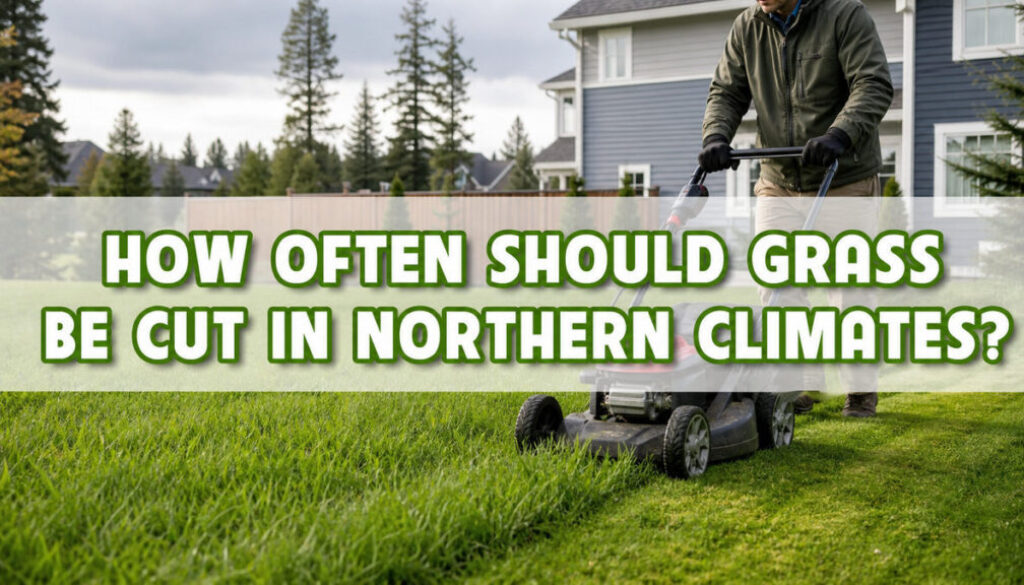
In northern places like Dawson Creek, grass can look unchanged for days, then take off after a good rain and a bit of warmth. So, how often should grass be cut in northern climates when the growing season is short? In real yard work, it depends on growth, rain, soil moisture, and how tall the grass is already.
Most homeowners, tenants, landlords, and property managers just need a routine they can trust. Still, the calendar does not tell the whole story. A good mowing plan starts with the grass, then shifts with the weather, clean-up needs, and how the property is being used.
1. How Often Should Grass Be Cut in Northern Climates?
During the strongest growth in late spring and early summer, many northern lawns need grass cutting about once per week. Mild temperatures and moisture can make grass grow fast. From local service needs, weekly lawn mowing is often enough to keep yards looking tidy without putting too much strain on the lawn.
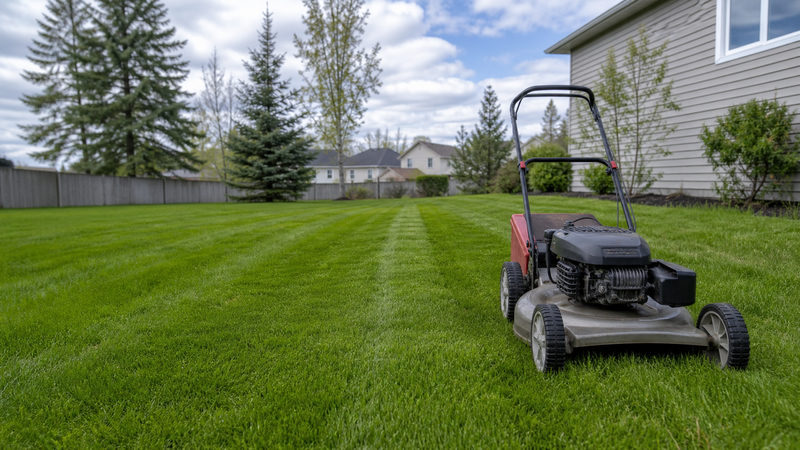
Slower stretches call for a lighter touch. In cooler, dry, or low-growth periods, mowing every 10 to 14 days may be plenty. The real guide is grass height, not just the date on the calendar.
Follow the one-third rule
The one-third rule is one of the simplest lawn care habits to follow. Do not remove more than one-third of the grass blade at one time. For example, if steady rain has pushed the lawn up quickly, do not try to cut it down too short in a single pass.
This matters even more in northern climates. Grass is already working through cool nights, short growing windows, and quick weather changes. Cut too much at once, and it can turn weak, pale, and patchy.
Mow by height, not only by schedule
A set grass cutting schedule is helpful, but it needs some flexibility. One yard may need weekly mowing, while another nearby yard can wait a little longer. Shade, drainage, grass type, foot traffic, and soil condition all affect how fast the lawn grows.
In northern properties, rain is often the thing that catches people off guard. A lawn can look fine on Monday and messy by Friday. During a dry spell, though, growth may slow so much that mowing too often does more harm than good.
PB Cleaning 24/7 serves Dawson Creek, BC and surrounding areas, where northern weather shapes lawn care decisions every season. A smart mowing plan leaves room for rain delays, drought stress, cool nights, and seasonal clean-up.
2. Seasonal Grass Cutting Schedule for Northern Lawns
Northern lawns do not grow the same way from spring to fall. That means the best lawn mowing frequency changes as the season moves along. A simple seasonal plan helps you avoid scalping in spring, cutting too much in summer, and leaving messy growth before winter.
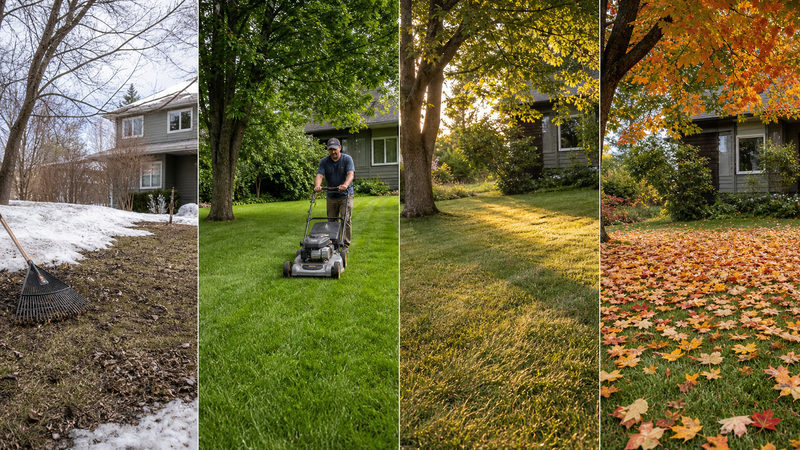
Spring start-up
Start mowing once the grass is actively growing and dry enough for a clean cut. Do not rush the first mow if the ground still feels soft. Wet soil can rut, and soft grass may tear instead of cut cleanly.
For spring lawn mowing tips, think tidy rather than harsh. Use a sharp mower blade, and clear sticks, debris, and winter leftovers first. Also, wait until the lawn can handle foot traffic without leaving deep marks.
Peak late spring and early summer growth
Late spring and early summer often bring the fastest growth in many Canadian yards. Moisture and mild temperatures can push grass up in a hurry. That is when weekly lawn mowing in Canada often makes the most sense.
This is also when why regular grass cutting matters becomes obvious. Regular mowing keeps the lawn even, cuts down on clumps, and helps avoid one rushed, heavy cut later. It also makes rental yards and shared properties look cared for.
Summer adjustments
When the weather turns hot or dry, mow less often. Leave the grass a little taller so it can shade the soil and protect the roots. The lawn holds moisture better that way and handles stress more comfortably.
A summer grass cutting schedule should follow the weather, not habit. If growth slows, stretch out the time between cuts. If rain returns, the lawn may need attention sooner than expected.
Late summer and fall
Late summer often brings slower growth, especially once the nights cool down. Mowing every 10 to 14 days may be enough if the grass stays under control. Still, keep an eye on height because one rainy week can change things quickly.
For fall lawn mowing northern climates, keep cutting while the grass is still growing. Then plan one final tidy cut before winter. The main thing is simple: do not scalp the lawn before snow arrives.
3. Best Grass Height for Northern Lawns
Colder Canadian lawns often do better when they are kept a bit taller through summer. Taller blades shade the soil, reduce heat stress, and help protect the roots. Healthy grass height matters more than cutting the lawn as short as possible.
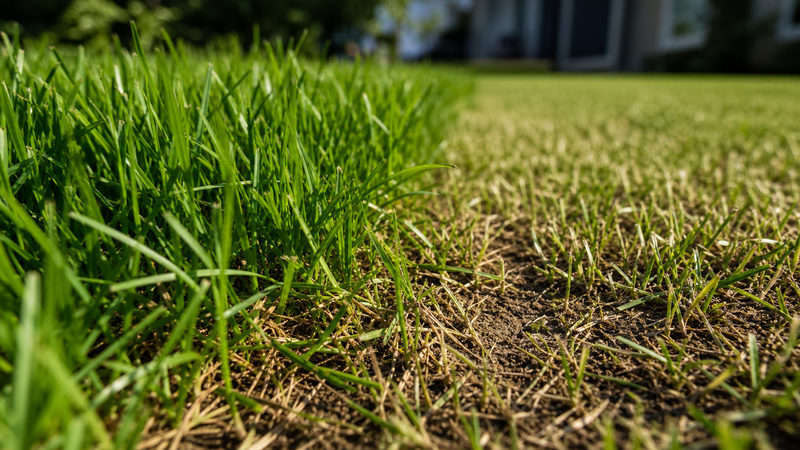
From practical lawn care experience, short grass can look neat for a short time but struggle afterward. It leaves soil exposed to sun and wind. It can also dry out faster and give weeds a better chance in thin areas.
Avoid scalping the lawn
Scalping means cutting grass extremely short. It can expose soil, weaken roots, encourage weeds, and leave the lawn looking patchy. A scalped lawn often takes longer to recover than people expect.
The best grass height for northern lawns depends on grass type, weather, yard condition, and growth speed. The goal, though, is easy to understand. Leave enough blade length for the lawn to feed itself and handle stress.
PB Cleaning 24/7’s available lawn care information does not list one fixed mowing height for crews. Homeowners should focus on condition-based mowing and the one-third rule. In plain terms, avoid taking off too much grass in any single visit.
Should grass be shorter before winter?
The final fall cut should leave the lawn tidy, not shaved down. A clean final cut can help reduce matted grass before winter. But scalping before snow can expose crowns and leave weak spots in spring.
A practical approach is to cut only while the lawn is still growing. Then stop once growth has slowed and conditions are too wet, cold, or soft. That keeps the yard clean without forcing mowing the lawn does not need.
4. How to Handle Overgrown Grass, Rain, Drought, and Cool Weather
Overgrown grass takes patience. It can be tempting to cut everything short at once, especially before guests, tenants, or inspections. A gradual approach protects the lawn and usually leaves a cleaner finish.
Cut long grass in stages
Use the one-third rule again when grass gets long. Cut part of the height first, then wait a few days if needed. After that, mow again to bring it closer to the height you want.
This step-by-step method reduces stress and clumping. It also helps the mower get through thick grass without bogging down. For messy yards, grass cutting and weed removal may need to happen at the same time.
Rain and wet grass
Wet grass can clump, tear, clog equipment, and leave ruts behind. Sometimes mowing simply needs to wait until the lawn dries. Waiting a little can give you a cleaner cut and help protect the soil surface.
Rain can also hide uneven spots and soft ground. A mower may leave tracks that look worse than the tall grass did. If the property needs urgent clean-up, walk the yard first and check the access areas.
Drought and heat
During drought, mow less often and raise the cutting height. Taller grass shades the soil and helps hold moisture. Also, avoid mowing during the hottest part of the day.
Cool weather slows growth in a different way. Mowing every 10 to 14 days, or even less often, may work if the grass height stays manageable. Keep watching after rain, though, because growth can start up quickly again.
For extra guidance, the University of Minnesota Extension lawn mowing guidance explains mowing practices that support healthier turf. Their advice also backs height-based mowing and avoiding cuts that are too short.
5. When to Book a Grass Cutting Service Instead of Mowing Yourself
A grass cutting service makes sense when the yard is more than a quick weekend job. Long grass, uneven ground, thick weeds, and a packed schedule can turn simple lawn mowing into a full clean-up. Some properties also need fast attention before move-in, move-out, or guest turnover.
Common reasons to get help
People often search for lawn mowing near me once the yard has already gotten away from them. It happens after rain, travel, illness, or a busy stretch at work. Landlords and property managers may also need dependable help between tenants.
- Long or overgrown grass that needs staged cutting.
- Weed-heavy lawns that need grass cutting and weed removal together.
- Uneven yards, slopes, obstacles, or difficult access.
- Senior homeowners who need safer outdoor support.
- Rental property turnover, move-in cleaning, or move-out clean-up.
- One time grass cutting before an inspection, listing, or family visit.
- Recurring lawn care during the growing season.
PB Cleaning 24/7 offers lawn care service that can include grass cutting, weed removal, yard clean-up, and custom seasonal requests. The service can help homeowners, tenants, landlords, property managers, Airbnb hosts, and clients who need seasonal support. It works for both regular care and one-time property clean-up.
Grouping outdoor and seasonal services
Lawn care often ties into other outdoor jobs. A property may need yard clean-up in spring, lawn care in summer, and snow removal in winter. Junk removal can also help when debris, old items, or outdoor clutter are affecting the yard.
This is especially useful for rental homes and busy households. One property can need different support at different times of year. Grouping outdoor and seasonal requests can make planning much easier.
For many clients, professional help is not about chasing perfection. It is about staying in control. A clean yard improves access, curb appeal, and property readiness, and it keeps one missed mowing from turning into a much bigger job.
6. Lawn Care Quotes, Pricing, and Photos in Dawson Creek, BC
Lawn care pricing for PB Cleaning 24/7 typically ranges from $90 to $210+. The final quote depends on yard size, yard condition, grass length, weed removal, and custom client requests. A small tidy lawn and a large overgrown yard will not be priced the same.
Clients can send yard details or photos for a personalized quote. That helps because many lawn care details are easier to show than explain. Photos can answer several questions before the job is even booked.
Why photos help
Good photos show grass length, slopes, obstacles, weeds, debris, and access issues. They also show whether extra yard clean-up may be needed. They help the team see if the lawn needs regular mowing or a bigger reset.
When asking for a quote, send clear details so the estimate can be more accurate. Include the information that affects time, equipment, and access. A few quick photos can save several back-and-forth messages.
- Property address and service area.
- Yard size or several wide photos of the lawn.
- Current grass length and any overgrown sections.
- Weed concerns or areas needing extra attention.
- Gate access, pets, slopes, obstacles, or parking notes.
- Special requests, such as yard clean-up or recurring service.
PB Cleaning 24/7 typically bases estimates on photos, service type, home details, and client information instead of in-person estimates. Travel or fuel charges may apply for properties outside Dawson Creek. Out-of-town clients should include location details early.
For booking, clients should also provide their name, phone number, full address, directions if needed, email, and payment method. Payments can be made by cash, cheque, or e-transfer to pbcleaning247@gmail.com. The team may also call 30 to 40 minutes before arrival during the service window.
Conclusion
In northern climates, most lawns need weekly mowing during peak spring and early summer growth. After that, they often need less frequent cuts during dry, cool, or slow-growth periods. The best schedule always depends on grass height, weather, yard condition, and whether the lawn is overgrown.
Keep northern lawns a little taller through summer, and avoid removing more than one-third of the blade. Finish fall with a tidy final cut instead of scalping. This simple approach helps the lawn stay cleaner, stronger, and easier to maintain.
For lawn care in Dawson Creek, BC and surrounding areas, contact PB Cleaning 24/7 with yard photos, grass length, weed concerns, and clean-up requests for a personalized quote.
PBCleaning 247
Address: 1021–102 Ave, Dawson Creek, BC, V1G 2B9 (Next to The Butcher Block)
Hotline: +1 250-784-6846
Email: pbcleaning247@gmail.com
Fanpage: https://www.facebook.com/PBCleaning247


