Move Out Cleaning Service in Dawson Creek BC
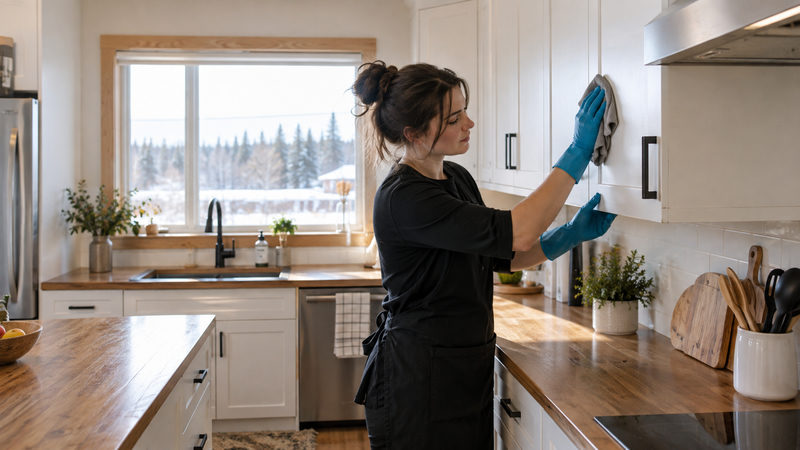
Moving day fills up fast, sometimes before the first box even reaches the door. A move out cleaning service takes one major worry off your plate: making sure the home looks ready for key handover, a new tenant, or a final property check. Before booking, though, most clients want the same basics: clear rates, timing, and simple next steps.
PB Cleaning 24/7 offers move in and move out cleaning for homes, apartments, and rental units in Dawson Creek, BC and surrounding areas. The service is a good fit for tenants, landlords, homeowners, and property managers who need detailed cleaning on a tight schedule. This guide walks through what is included, how pricing works, and how to get ready.
1. Move Out Cleaning Service in Dawson Creek, BC
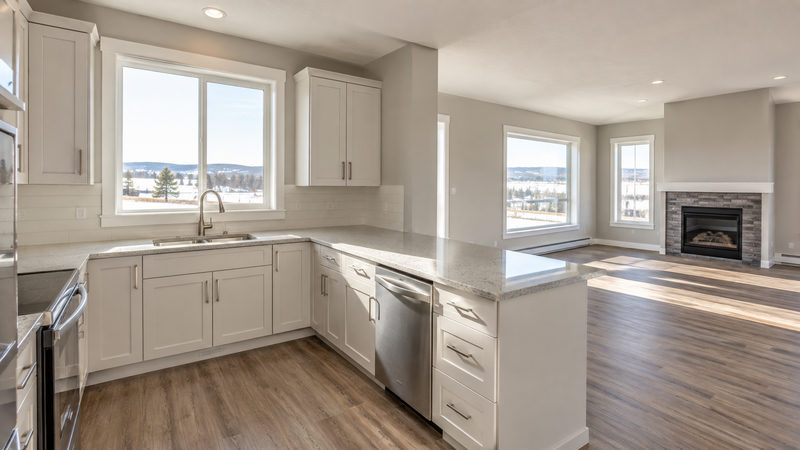
Move out cleaning is a detailed clean done after someone moves out or before someone new moves in. It focuses on the inside areas that need attention once furniture, boxes, and everyday clutter are out of the way. Empty rooms tend to show everything: dust, marks, grease, pet hair, and spots that regular cleaning may not catch.
PB Cleaning 24/7, also known as PB Cleaning 247, serves Dawson Creek, BC and surrounding areas. The company provides residential cleaning, rental property cleaning, move in cleaning, and move out cleaning for local clients. The service is helpful for people who want a cleaner space without having to guess about rates or booking requirements.
This service works well for tenants who want to hand over keys with more confidence. It also helps homeowners who are selling, relocating, or getting a property ready for the next person. Landlords and property managers can use it during tenant turnover as well.
A move out clean is different from regular upkeep because the goal is more detailed. Basic cleaning covers routine maintenance, such as dusting, floors, kitchen surfaces, bathrooms, and general tidy-up. Move out cleaning often needs extra care because the space should look ready for inspection or new occupancy.
Why empty spaces need more detail
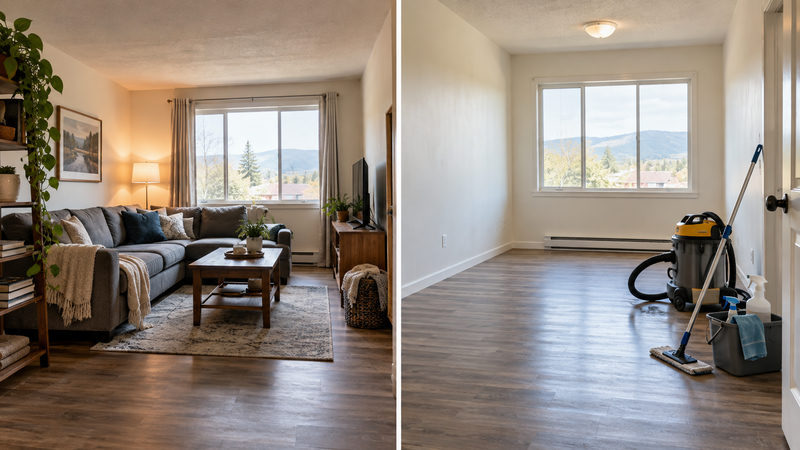
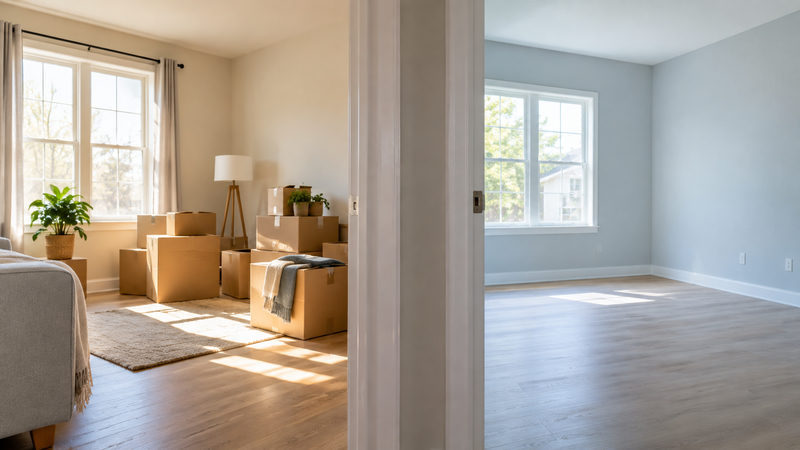
When a home is lived in, furniture can hide floor edges, baseboards, corners, and wall marks. Appliances, cabinets, and bathroom fixtures may also show build-up from daily use. Once everything is moved out, cleaners may need more time to handle visible surfaces and areas that were hard to reach before.
A tenant might keep a kitchen tidy every week, but grease can still gather around cooking areas. A family with pets may vacuum often, yet pet hair can collect under furniture and along room edges. Bathrooms may also need extra care around sinks, toilets, tubs, showers, and mirrors.
Move out house cleaning can help in many situations. Apartment move out cleaning is useful for smaller rental units with bathrooms, floors, and kitchen surfaces to clean. Rental property cleaning and tenant move out cleaning are helpful when a unit needs to be ready for showings, inspections, or the next renter.
The biggest thing is clarity before the appointment. Clients should know the rate, arrival window, booking information, and final walk-through policy. PB Cleaning 24/7 asks clients to share details before booking so the plan is clear from the start.
Local service context
PB Cleaning 24/7 can be reached by phone at 250.784.6846. Clients can also email pbcleaning247@gmail.com. This contact information matters when timing is tight and the cleaning has to fit around moving trucks, key returns, or property access.
Clients outside Dawson Creek should ask about possible travel or fuel charges before confirming the appointment. That keeps everyone on the same page. Rural directions or hard-to-find addresses should be shared early, especially when access could slow things down.
2. What Is Included in Move In Move Out Cleaning?
Move in move out cleaning focuses on detailed cleaning before moving in or after moving out. The exact work depends on the property size, condition, and requested tasks. One home may only need a lighter final clean, while another may need deeper cleaning support.
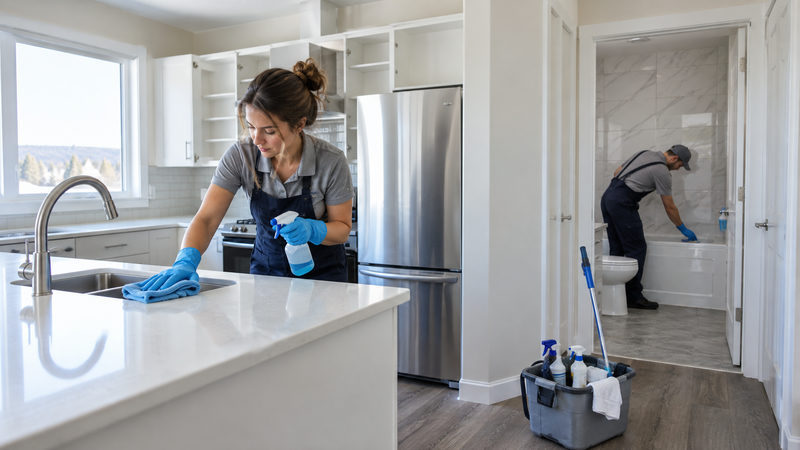
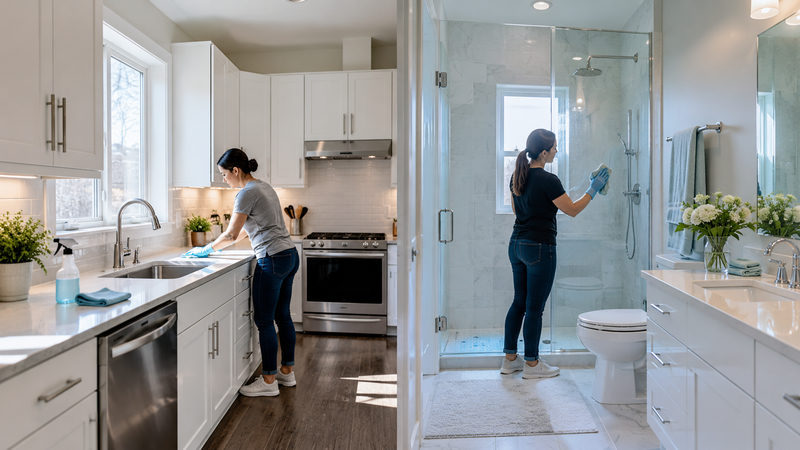
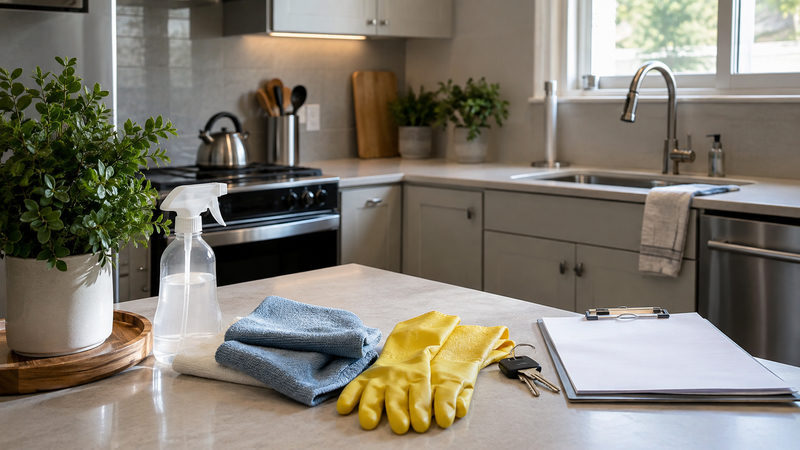
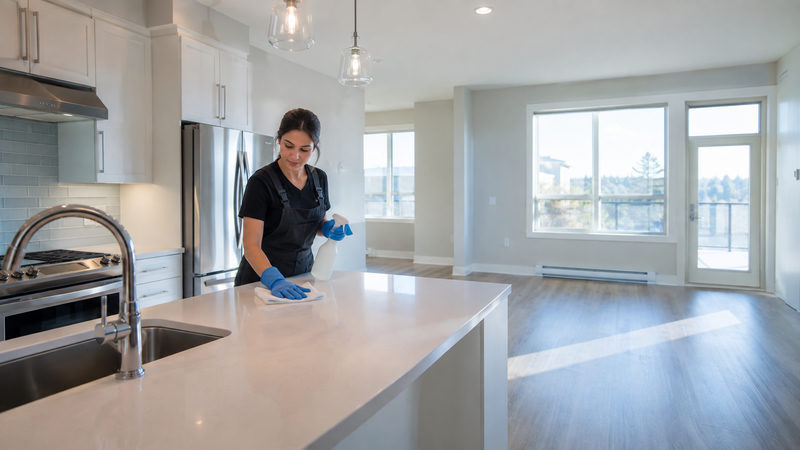
Typical interior cleaning may include general dusting, floors, kitchen surfaces, bathrooms, visible surfaces, and tidy-up where needed. These are usually the areas people notice first during a walk-through. Clean floors, fresh bathrooms, and wiped kitchen surfaces can make the whole home feel more ready.
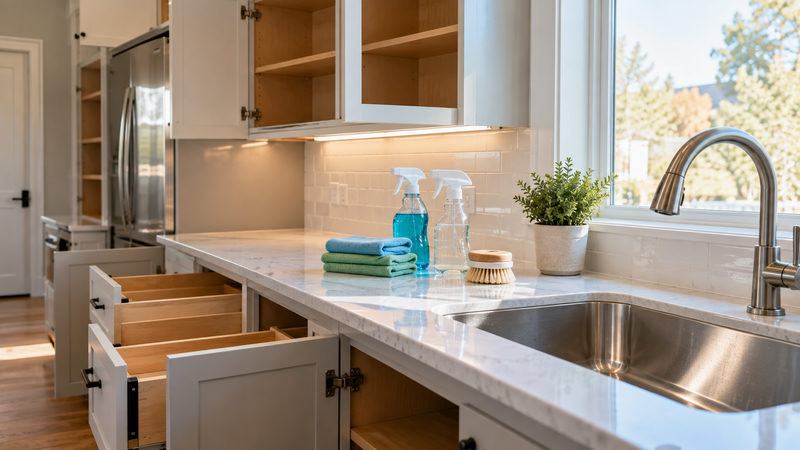
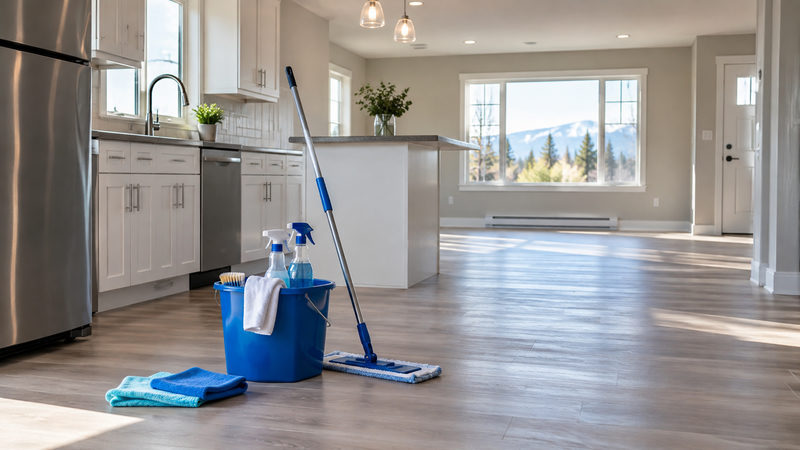
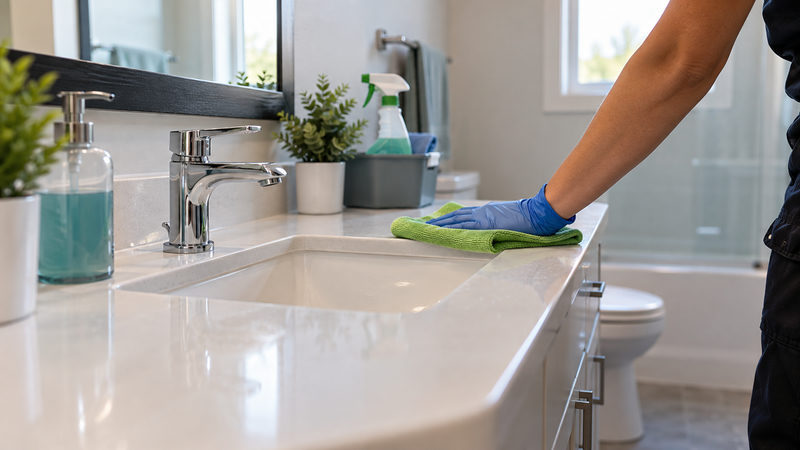
Kitchen cleaning can take extra time because cooking areas often collect grease and crumbs. Bathrooms may also need careful attention because of soap residue, mirrors, sinks, toilets, tubs, and showers. Floors can need extra care too after boxes, furniture, and foot traffic move through the home.
Basic cleaning versus move out cleaning
Basic cleaning is regular maintenance. It keeps a lived-in home tidy and manageable. Move out cleaning usually goes further because the space is being prepared for inspection, handover, or new occupancy.
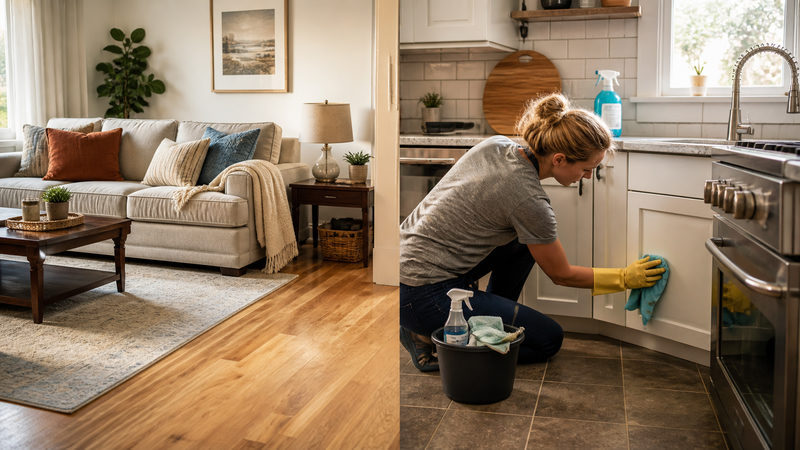
A weekly or monthly cleaning may focus on visible surfaces and routine upkeep. A move out clean may include more detail around corners, cabinet fronts, floor edges, bathroom fixtures, and kitchen surfaces. That is why it can take longer than a basic clean.
Move out cleaning also depends on how empty the home is. A nearly empty space gives cleaners better access to surfaces and floors. Remaining boxes, furniture, or personal items can slow the work down.
Access makes a real difference. Clear counters, open floor space, and unlocked rooms help the team work efficiently. Clients should remove personal items where possible before the appointment.
Deep cleaning needs
Deep cleaning may be added when the home has dust build-up, grease, pet hair, or hard-to-reach areas. These details can change the total time needed. Heavy kitchen grease and pet hair often need extra passes and more careful cleaning.
Deep cleaning can also matter when a home has not had a detailed clean in a long time. Dust can settle on trim, ledges, and surfaces people do not touch every day. Bathroom build-up may also need more time than routine maintenance allows.
Clients should be upfront about the home’s condition when booking. Photos help PB Cleaning 24/7 understand the job before the team arrives. Clear details reduce surprises and help set better expectations.
Laundry and add-on requests
Laundry assistance may be available as an add-on when requested. It may include washing, drying, and folding. Laundry time must be counted in the total service hours because machines and folding both take time.
This add-on can help when bedding, towels, or other washable items need attention during a move. Clients should decide this before the appointment when possible. That way, the team can plan the time more realistically.
Some specialty services need scope confirmation before they are accepted or advertised. These may include carpet cleaning, window cleaning, construction clean-up, or high-risk work. Unusual access, hazardous materials, heavy debris, or ladder work may also need extra review.
What may affect the cleaning scope
Several details can affect how long the service takes. A small apartment with one bathroom may take less time than a larger house with several rooms. Still, condition matters just as much as size.
- Property size and number of rooms
- Number of bathrooms
- Kitchen condition and grease level
- Flooring type and floor condition
- Pet hair, dust build-up, and hard-to-reach areas
- Amount of detail requested by the client
- Laundry or custom add-on requests
Photos and property details are strongly recommended before booking. They are one of the best ways to estimate the job without an in-person visit. Clients should send photos of kitchens, bathrooms, floors, and any areas that need extra attention.
3. Move Out Cleaning Cost, Value, and Time Required
PB Cleaning 24/7 charges $35 per hour per cleaner for standard cleaning services. The minimum charge is 3 man-hours per visit. This rate applies to move in and move out cleaning, with the total cost depending on time and scope.

Man-hours are easy once you break them down. One cleaner working for three hours equals three man-hours. Two cleaners working for 1.5 hours each also equals three man-hours.
This minimum helps cover the practical time needed to arrive, set up, clean, and complete the job properly. Many move out cleaning jobs take longer than the minimum. Empty homes can look simple at first, but the details often show up once cleaning begins.
Why move out cleaning can take more time
Move in and move out cleaning usually takes more time than basic cleaning. The team may need to handle build-up, empty-room details, kitchen condition, bathroom condition, floors, and overlooked areas. Total hours depend a lot on the property’s actual condition.
A tidy one-bedroom apartment may only need a focused cleaning plan. A larger house with pet hair, multiple bathrooms, and kitchen grease may need more time. Access delays or unclear instructions can also reduce the time available for cleaning.
PB Cleaning 24/7 typically does not provide in-person estimates. Estimates are usually made using photos, home details, service type, and client information. Good photos and accurate details help create a more realistic expectation before booking.
Clients asking for a move out cleaning quote should include room count, bathroom count, flooring type, and any known problem areas. They should also mention pets, grease, heavy dust, or laundry needs. Those details often affect time more than people expect.
Cost-benefit value
Professional move out cleaning can save time during a busy move. Packing, hauling, utility changes, and key handover already take plenty of energy. Hiring cleaners can protect your time when the schedule is tight.
For tenants, the value often comes from reducing last-minute stress before the final inspection. A clean rental unit may help make the handover smoother. Tenants should still review their lease and local rental expectations.
Landlords can benefit because a cleaner unit may be ready sooner for showings or the next renter. Property managers may also reduce delays during tenant turnover. Clear scheduling and booking details make the process easier to repeat across multiple units.
Homeowners may book move out house cleaning before selling or relocating. A cleaner space feels more respectful for the next occupants. It can also help owners focus on the move instead of spending hours scrubbing after the boxes are gone.
Value is not only about the final bill. It also includes time saved, fewer scheduling headaches, and better readiness for the next step. The key is matching the cleaning scope to the condition of the home.
Factors that can increase time
Several conditions can increase the total hours needed. Grease, pet hair, heavy dust, larger homes, and multiple bathrooms are common examples. Laundry add-ons can also take significant time because washing, drying, and folding cannot be rushed.
- Heavy kitchen grease on surfaces or around cooking areas
- Pet hair along floors, corners, furniture edges, or stairs
- Dust build-up in rooms, trim, ledges, and hard-to-reach spots
- Larger homes with more rooms and bathrooms
- Laundry add-ons that include washing, drying, and folding
- Access delays, locked rooms, unclear directions, or parking issues
- Rural properties or locations outside Dawson Creek
- Detailed deep cleaning requests beyond regular maintenance
These factors do not mean the job cannot be done. They simply affect how much time the team may need. Clients should share anything that may slow access or increase the cleaning detail.
Payment options
Payment methods include Cash, Cheque, or E-transfer to pbcleaning247@gmail.com. Clients should choose their payment method before the appointment when possible. That helps the end of the service go smoothly.
Travel or fuel charges may apply for properties outside Dawson Creek. Clients outside town should ask about those charges before confirming. This is especially important for rural homes, hard-to-find properties, or jobs with longer driving time.
When comparing move out cleaners near me, clients should look beyond the hourly rate. Minimum time, arrival policy, booking requirements, and preparation rules matter too. Clear expectations can prevent confusion on moving day.
4. Who Should Book Rental Property Cleaning?
Rental property cleaning is useful for anyone responsible for preparing a home, apartment, or rental unit. Tenants, homeowners, landlords, and property managers may all need the service for different reasons. The shared goal is simple: leave the space cleaner and more ready for what comes next.
Tenants can book move out cleaning before handing over keys or attending a final inspection. This can help when lease-end cleaning expectations feel hard to manage during a move. It also reduces the chance of rushing through bathrooms, floors, and kitchen surfaces at the last minute.
Homeowners can book move out house cleaning before selling, relocating, or leaving a property for new occupants. A home often feels different once the furniture is removed. Cleaning after the move can reveal areas that need attention.
Landlords can book rental property cleaning after a tenant leaves. This helps prepare the home or apartment for showings, inspections, or the next renter. A cleaner unit can support a smoother turnover process.
Property managers can book tenant turnover cleaning as part of vacancy preparation and maintenance workflows. This matters when several units need attention and timing is tight. Clear booking details help keep the process organized.
Rental property cleaning for turnover
PB Cleaning 24/7 offers Rental Property Cleaning for rental units and tenant turnover. The service is useful for landlords and property management clients. It supports the cleaning needs that come up between occupants.
Tenant move out cleaning may include floors, bathrooms, kitchen surfaces, visible surfaces, dusting, and tidy-up. The final scope depends on the unit’s size and condition. Photos and details help the team understand what is needed before arrival.
Professional move out cleaning for rental properties can help when turnover speed matters. A property manager may need a unit ready for a viewing soon. A landlord may need the space cleaned before maintenance work or a new lease begins.
Best-fit service examples
- Apartment move out cleaning: Good for smaller rental units that need bathrooms, kitchen surfaces, floors, and general interior cleaning.
- Professional move out cleaning: Helpful when turnover speed, cleanliness, and clear booking details matter.
- Move in cleaning: Useful for clients who want a detailed clean before bringing belongings into a new space.
- Rental property cleaning: Practical for landlords and property managers preparing units between occupants.
The best-fit service depends on timing, access, and condition. A move in clean may focus on preparing a fresh start. A move out clean may focus on getting the space ready for handover.
5. How to Book PB Cleaning 24/7 Move Out Cleaning
Booking works best when clients provide complete information from the start. PB Cleaning 24/7 needs the client’s name, service request, phone number, full address, and payment method. Clients should also provide directions, access details, and an email address when applicable.
The service type should be specific. Clients can request Move Out, Move In, Deep Clean, Basic Clean, Rental Property Cleaning, Airbnb, Office, or another custom request. This helps the team understand the job before discussing timing and scope.
Clients should also send photos and clear property details. PB Cleaning 24/7 typically estimates using photos, home details, service type, and client information. This is especially helpful because the company usually does not provide in-person estimates.
Booking details to prepare
- Client name for booking and invoice purposes
- Service request or cleaning type
- Phone number for arrival calls and communication
- Full service address
- Directions for rural, hard-to-find, or outside-town properties
- Key, door code, or access details if applicable
- Email address for invoice, confirmation, or follow-up
- Payment method, such as Cash, Cheque, or E-transfer
- Photos of kitchens, bathrooms, floors, and detailed areas
Key or door code details should be treated as confidential access information. Clients should only share what the team needs to enter and complete the service. They should also confirm any building rules, elevator access, or parking instructions before the appointment.
When people search for a local move out cleaning service company, they usually want fast answers. Clear booking information helps the team respond more accurately. It also cuts down on back-and-forth messages when moving day is already busy.
Arrival expectations
The team arrives between 9:00 AM and 6:00 PM. Clients receive a call 30-40 minutes before arrival. It is a good idea to answer unknown numbers that day, since it may be the PB Cleaning 24/7 team.
Exact arrival times cannot always be guaranteed. Previous jobs, road conditions, weather, access, and job scope can affect the schedule. The arrival call helps clients get ready before the team reaches the property.
This arrival window is important for move out cleaning availability. Clients should plan access around the full window when possible. They should also avoid booking other time-sensitive tasks too close to the cleaning appointment.
Final walk-through policy
For all new bookings, a client walk-through and sign-off are required. This gives the client a chance to review the completed work before the team leaves. It also allows same-day concerns to be handled quickly.
If the client is unavailable at the end of the job, the absence is considered acceptance of the completed work and time spent. New clients should try to be available for the final review. If that is not possible, they should understand the policy before booking.
The final walk-through protects both the client and the cleaning team. It gives everyone a shared understanding of what was completed. It also reduces confusion after the team has already left.
To book move out cleaning, clients can call 250.784.6846 or email pbcleaning247@gmail.com. They should include the cleaning type, address, photos, property details, preferred payment method, and access instructions. This keeps the booking process clear and practical.
6. What to Do Before the Cleaning Team Arrives
Preparation can make a move out cleaning appointment much smoother. Clients should secure pets in a designated area before service. PB Cleaning 24/7 is not responsible for pet safety during cleaning, so pet planning matters.
Clients should also store cash, jewelry, and valuables securely before the team arrives. It is a simple step, but an important one during a busy moving day. It also lets everyone focus on the cleaning work.
Furniture and belongings should be inspected before and after the service. Any concerns should be reported on the same day. PB Cleaning 24/7 may not be held responsible for concerns that are not reported until after the service day.
Why same-day reporting matters
Same-day reporting gives the team a fair chance to respond while the details are still fresh. It also helps connect concerns to the actual service appointment. Clients should not wait several days to mention an issue.
For first-time bookings, the final walk-through is especially useful. Clients can check rooms, surfaces, bathrooms, kitchens, and floors before the team leaves. Small concerns can be discussed right away.
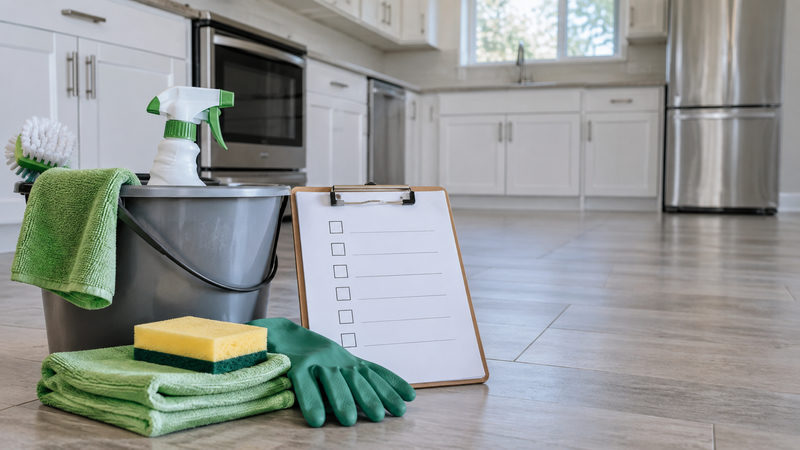
Practical preparation checklist
- Secure pets in a designated area before the cleaning starts.
- Store cash, jewelry, and valuables in a safe place.
- Remove personal items where possible.
- Clear counters, floors, cabinets, and room access.
- Confirm parking, entry instructions, and building access.
- Share rural directions or hard-to-find address details.
- Confirm elevator access if the property is in a building.
- Decide whether laundry assistance is needed.
- Have payment ready by Cash, Cheque, or E-transfer.
Removing personal items helps cleaners reach surfaces, floors, cabinets, and rooms more efficiently. It also lowers the chance that belongings get moved or missed. Clear access can help keep the job within a more realistic time range.
Laundry should be discussed before the appointment. Washing, drying, and folding can take a lot of time. Laundry assistance must be included in the total service hours.
Clients should also confirm whether the home is fully empty or partly occupied. A partly furnished space may still be cleanable, but it can change the workflow. Furniture and boxes often block floor edges, walls, cabinets, and corners.
For rural properties, directions matter. Road conditions, weather, and access can affect arrival timing. Clear instructions help the team find the property without delays.
Conclusion
Move out cleaning is a detailed service for tenants, landlords, homeowners, and property managers. It helps prepare a home, apartment, or rental unit before key handover, move-in, inspection, or tenant turnover. The best results come from clear scope, accurate details, and good preparation.
PB Cleaning 24/7 serves Dawson Creek, BC and surrounding areas with a clear hourly rate, practical booking process, arrival window, and client preparation policies. The standard cleaning rate is $35 per hour per cleaner, with a minimum charge of 3 man-hours per visit. Travel or fuel charges may apply outside Dawson Creek.
To book PB Cleaning 24/7 move out cleaning, call +1 250-784-6846 or email pbcleaning247@gmail.com. Send your cleaning type, address, photos, property details, preferred payment method, and access instructions. You can also contact PBCleaning 247 at 1021-102 Ave, Dawson Creek, BC, V1G 2B9, next to The Butcher Block, or visit the fanpage at https://www.facebook.com/PBCleaning247.